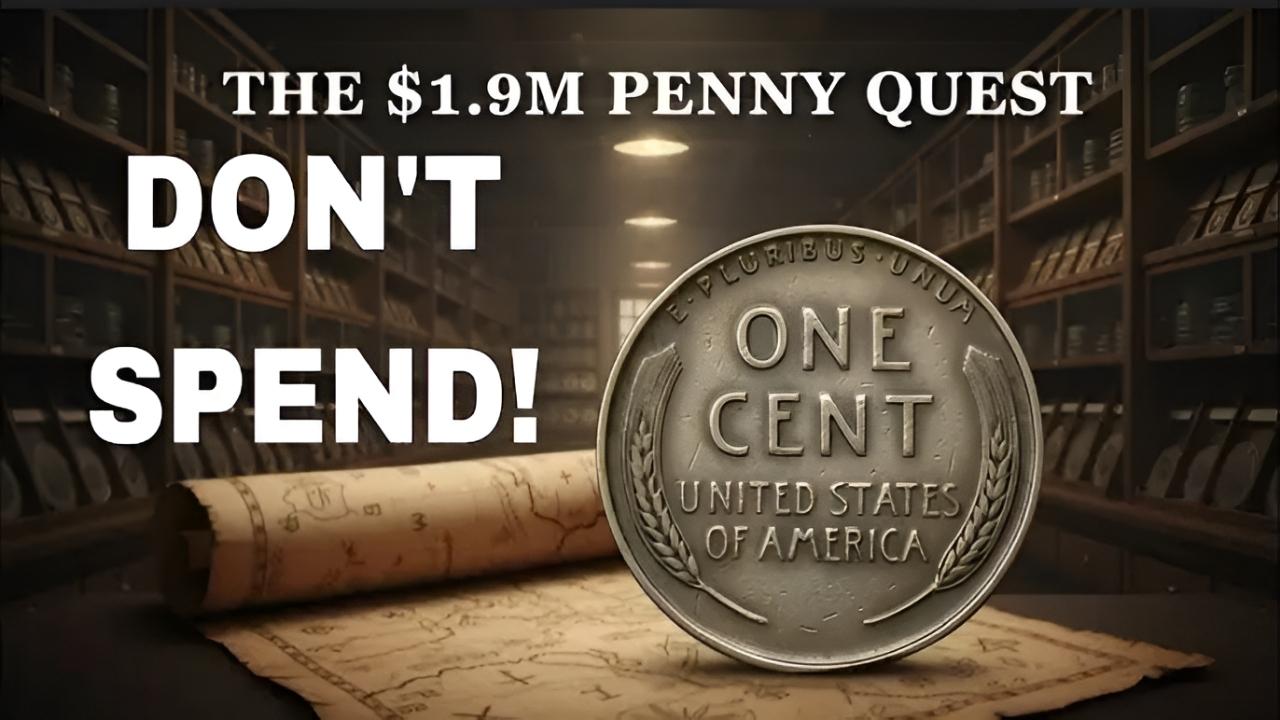
Rare Lincoln Wheat Penny Valued at $21 Million: The Lincoln Wheat Penny is one of the most iconic coins in American history. First minted in 1909 to commemorate the centennial of Abraham Lincoln’s birth, it quickly became a staple in circulation. Designed by Victor David Brenner, the coin featured Lincoln’s profile on the obverse and two wheat stalks framing the denomination on the reverse. For decades, it was the penny most Americans carried in their pockets, making it a symbol of everyday life as well as national pride.
Collectors have long admired the Wheat Penny for its historical significance and design. While most examples are common and worth only a few cents, certain rare varieties have achieved legendary status. These coins, often produced in limited numbers or with unique errors, can be worth thousands or even millions.

The Discovery That Shocked Collectors
Imagine the surprise of finding a coin worth $21 million in ordinary pocket change. That is the story surrounding a rare Lincoln Wheat Penny that has captured headlines and the imagination of collectors worldwide. The coin in question is believed to be one of the rarest varieties ever struck, with only a handful known to exist.
Such discoveries remind us that hidden treasures can still be found in the most unexpected places. While most people overlook pennies, assuming they hold little value, this extraordinary find proves that even the smallest denomination can carry immense worth.

Why Some Wheat Pennies Are So Valuable
The value of a Wheat Penny depends on several factors, including rarity, condition, and historical significance. Coins with low mintage numbers are naturally more desirable, as fewer examples exist for collectors to pursue. Errors and unique varieties also add to a coin’s appeal, since they represent anomalies in the minting process.
For example, the 1943 copper Wheat Penny is one of the most famous rarities. During World War II, pennies were supposed to be struck in steel to conserve copper for the war effort. However, a few copper planchets were mistakenly used, creating a rare variety worth hundreds of thousands of dollars. Similarly, the 1909-S VDB penny, with its limited mintage and distinctive designer initials, is highly prized.

The $21 million Wheat Penny reportedly combines extreme rarity with pristine condition, making it a once-in-a-lifetime discovery.
The Role of Condition and Grading
Condition plays a critical role in determining a coin’s value. Professional grading services evaluate coins based on wear, luster, strike quality, and overall preservation. A coin in mint state condition can be worth exponentially more than the same coin in circulated condition.

The rare Wheat Penny valued at $21 million is believed to be in exceptional condition, with sharp details and minimal signs of wear. Such preservation is rare for coins that were intended for everyday use, which adds to its allure and value.
The Thrill of Pocket Change Discoveries
Stories of rare coins found in pocket change inspire collectors and casual enthusiasts alike. The idea that a coin worth millions could be hiding in a handful of pennies adds excitement to the hobby. Coin roll hunting, where enthusiasts purchase rolls of coins from banks and search through them, has become a popular pastime for this very reason.
While most finds are modest, such as silver coins or minor errors, the occasional discovery of a rare variety keeps the dream alive. The $21 million Wheat Penny serves as a reminder that treasures can still be uncovered in everyday transactions.
Historical Context of the Wheat Penny
The Wheat Penny was minted from 1909 until 1958, after which it was replaced by the Lincoln Memorial design. During its nearly 50-year run, the coin witnessed significant moments in American history, from the Great Depression to World War II. Its design reflected simplicity and strength, with the wheat stalks symbolizing prosperity and growth.

Collectors value the Wheat Penny not only for its rarity but also for its connection to history. Each coin represents a piece of the past, carrying stories of the people who used it and the events it witnessed.
Investment Potential of Rare Coins
Rare coins like the $21 million Wheat Penny are more than collectibles; they are investments. Their value often appreciates over time, especially for coins with limited mintage or unique errors. Investors see coins as tangible assets that can diversify portfolios and provide protection against economic uncertainty.

Unlike bullion, which derives value solely from precious metal content, rare coins carry numismatic premiums based on scarcity and demand. This combination of historical significance and financial potential makes them attractive to both collectors and investors.
Cultural Significance of the Lincoln Penny
The Lincoln Penny holds a special place in American culture. It was the first coin to feature a U.S. president, breaking from the tradition of using allegorical figures. Its introduction marked a shift in coinage design, emphasizing national identity and honoring historical figures.

The Wheat Penny, in particular, evokes nostalgia for earlier generations. Many people remember using these coins in everyday transactions, making them symbols of simpler times. Discovering a rare Wheat Penny today connects collectors to that shared cultural memory while offering the thrill of uncovering hidden wealth.
Tips for Collectors Searching for Rare Pennies
For those inspired by the story of the $21 million Wheat Penny, there are practical steps to take when searching for rare coins. First, learn to identify key varieties, such as the 1909-S VDB, the 1914-D, and the 1943 copper penny. Second, pay attention to mint marks, as coins from certain mints are rarer than others. Third, examine coins carefully for errors, such as doubled dies or off-center strikes.

Coin roll hunting is a popular method, but patience and persistence are required. Estate sales, flea markets, and antique shops can also yield surprising discoveries. Building relationships with coin dealers and joining collector communities can provide valuable knowledge and opportunities.
The Future of Rare Coin Discoveries
As time passes, the chances of finding rare coins in circulation diminish, but they are not impossible. Coins can resurface after being forgotten in drawers, jars, or collections passed down through generations. The $21 million Wheat Penny discovery proves that extraordinary finds can still happen, fueling the passion of collectors worldwide.

The future of coin collecting remains bright, with new generations discovering the thrill of the hobby. Rare coins will continue to captivate imaginations, offering both financial rewards and connections to history.
Conclusion
The story of the rare Lincoln Wheat Penny valued at $21 million found in pocket change is a testament to the enduring allure of coin collecting. It highlights the importance of rarity, condition, and historical significance in determining value. More importantly, it reminds us that treasures can still be found in the most ordinary places.
For collectors, the journey is as rewarding as the destination. Searching through pocket change or coin rolls offers excitement, education, and the chance to connect with history. The Lincoln Wheat Penny, with its cultural and financial significance, continues to inspire generations. Whether worth a few cents or millions, each coin carries a story, and sometimes those stories lead to extraordinary discoveries.