Pocket Change Worth Millions: Coins have always held a special place in history and culture. Beyond their everyday use, they often become symbols of national pride, artistic expression, and even hidden wealth. For collectors, the thrill of discovering a rare coin in circulation is unmatched. Imagine reaching into your pocket and finding a dime or bicentennial coin worth thousands, or even millions. While it may sound like a dream, such treasures do exist, and some are still out there waiting to be found.
The 1916-D Mercury Dime
One of the most famous rare dimes is the 1916-D Mercury Dime. Minted in Denver, this coin is highly sought after because of its limited mintage. Only around 264,000 were produced, making it one of the rarest dimes in American history. The coin features the Winged Liberty Head design, often mistaken for the Roman god Mercury, hence its nickname.

Collectors prize this dime not only for its scarcity but also for its beauty. In high-grade condition, the 1916-D Mercury Dime can fetch tens of thousands of dollars. Even worn examples are worth far more than their face value. The possibility of finding one in circulation, though slim, keeps coin enthusiasts searching through rolls and collections.
The 1894-S Barber Dime
The 1894-S Barber Dime is legendary among numismatists. With only 24 known to exist, it is one of the rarest coins in American history. Minted in San Francisco, this dime has achieved near-mythical status. Stories suggest that some were given as gifts to bankers or used as test strikes, while others were spent casually, making them potential treasures in circulation.

Today, the 1894-S Barber Dime is worth millions. Auction records show examples selling for over a million dollars, depending on condition. While the odds of finding one in your pocket are astronomically low, the mere existence of such a coin fuels the imagination of collectors everywhere.
The 1968 No-S Roosevelt Dime
Modern coins can also hold surprises. The 1968 No-S Roosevelt Dime is a prime example. This coin was mistakenly struck without the “S” mint mark, which indicates production at the San Francisco Mint. Only a handful of these error coins are known to exist, making them extremely valuable.

Collectors are always on the lookout for minting errors, and the 1968 No-S dime is one of the most famous. Depending on condition, it can sell for thousands of dollars. The fact that such coins occasionally slip into circulation adds excitement to the hunt.
The 1975 No-S Roosevelt Dime
Another rare dime is the 1975 No-S Roosevelt Dime. Like the 1968 version, this coin was struck without the mint mark, creating a rare error. Only two examples are confirmed to exist, making it one of the rarest modern coins.

The 1975 No-S dime has sold for hundreds of thousands of dollars at auction. Its rarity and modern origin make it especially intriguing, as it proves that valuable coins are not limited to the distant past. Collectors continue to dream of finding one in circulation, even though the chances are slim.
The 1976 Bicentennial Quarter and Half Dollar
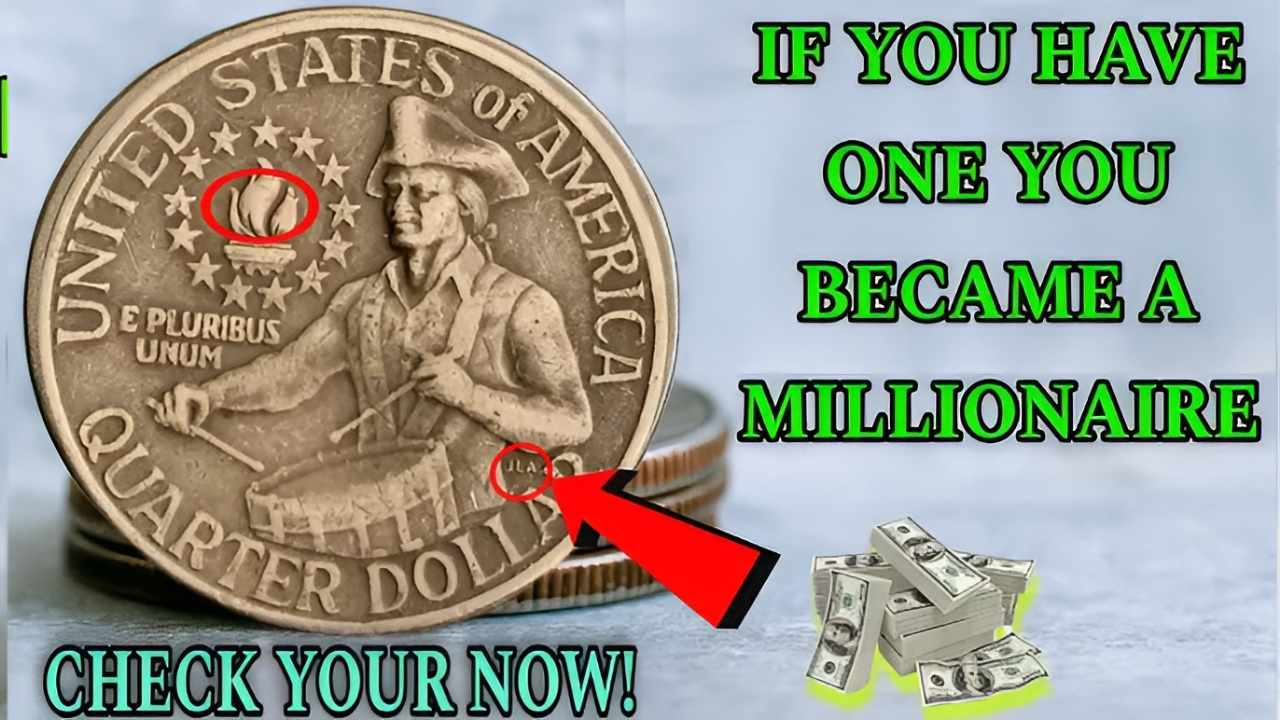
In 1976, the United States celebrated its bicentennial with special coin designs. The quarter featured a colonial drummer, while the half dollar displayed Independence Hall. These coins were minted in large numbers, but certain varieties are rare and valuable.

Some bicentennial coins were struck in 40 percent silver for collectors, and these versions are worth more than face value. Additionally, error coins and high-grade examples can command significant premiums. While most bicentennial coins are common, the rare varieties are still out there, waiting to be discovered in circulation.
Why Rare Coins Still Circulate
It may seem surprising that such valuable coins could still be found in everyday transactions. The reason lies in human behavior. Many people are unaware of the potential value of coins, and they spend them without a second thought. Coins can also pass through generations, ending up in circulation after being forgotten in drawers or jars.

Coin roll hunters often share stories of finding silver dimes, rare bicentennial coins, or even error coins in bank rolls. While the odds are slim, the possibility keeps the hobby alive. The idea that a coin worth thousands could be hiding in plain sight adds a sense of adventure to everyday life.
The Role of Condition and Grading
When it comes to rare coins, condition is everything. A coin’s grade, determined by its wear and preservation, can dramatically affect its value. For example, a 1916-D Mercury Dime in poor condition may be worth a few hundred dollars, while one in pristine condition can sell for tens of thousands.

Professional grading services evaluate coins and assign them grades based on strict standards. Collectors often seek certified coins to ensure authenticity and quality. For those searching in circulation, understanding the basics of grading can help identify valuable finds.
The Thrill of Coin Roll Hunting
Coin roll hunting has become a popular hobby among collectors. The process involves purchasing rolls of coins from banks and searching through them for rare or valuable pieces. Enthusiasts often document their finds, sharing stories of silver coins, error varieties, and even rare dimes discovered in circulation.

The thrill lies in the unknown. Each roll could contain a hidden treasure, and the excitement of discovery keeps collectors engaged. While most rolls yield common coins, the occasional rare find makes the effort worthwhile.
Investment Potential of Rare Coins
Rare coins are not only collectibles but also investments. Their value often increases over time, especially for coins with limited mintage or unique errors. Investors see coins as tangible assets that can diversify portfolios.

Silver and gold coins hold intrinsic value tied to precious metals, while rare varieties carry numismatic premiums. The combination of historical significance and scarcity makes rare coins attractive to both collectors and investors.
Cultural and Historical Significance
Beyond monetary value, rare coins carry cultural and historical importance. They reflect the artistry of their time, commemorate significant events, and preserve national heritage. The bicentennial coins, for example, celebrate America’s 200th anniversary, while the Mercury Dime embodies early 20th-century design.

Owning a rare coin is like holding a piece of history. It connects collectors to the past and provides a tangible link to moments that shaped the nation. This cultural significance adds depth to the hobby and enhances the appeal of rare coins.
Conclusion
Rare dimes and bicentennial coins continue to capture the imagination of collectors and enthusiasts. From the legendary 1894-S Barber Dime to the modern 1975 No-S Roosevelt Dime, these coins represent hidden treasures that may still be found in circulation. While the odds are slim, the possibility of discovering a coin worth thousands or even millions keeps the hunt alive.
For collectors, the journey is as rewarding as the destination. Searching through pocket change or coin rolls offers excitement, education, and the chance to connect with history. Rare coins remind us that hidden treasures can still be found in the most ordinary places, turning everyday pocket change into extraordinary wealth.